The American Dental Association recommends seeing your dentist every six months for routine exams and cleanings. These appointments allow your oral health professional to monitor your mouth for signs of trouble, address problems in their early stages, and recommend better hygiene habits, but some people get anxious at the thought of sitting in a dentist’s chair. Fortunately, sedation dentistry can be a great way to make your oral healthcare an easier and more pleasant experience. Here’s a quick look at how dental phobias can develop as well as how your dentist can help.
How Do Dental Phobias Form?
People often develop dental anxiety for reasons like:
- Previous dental or medical experiences that were especially stressful or traumatic
- Previous injuries of the head or neck
- Having experienced abuse
- Mental health issues like depression, anxiety, or post-traumatic stress disorder
- Feeling like accessing the mouth constitutes an invasion of personal space
- Anxiety about losing control
- A lack of trust in medical professionals
- Issues like agoraphobia, claustrophobia, and obsessive-compulsive disorder
How Can My Dentist Help Make Oral Healthcare Easier?
There are several forms of dental sedation that can help a patient sit calmly and comfortably through their oral health appointments. These include:
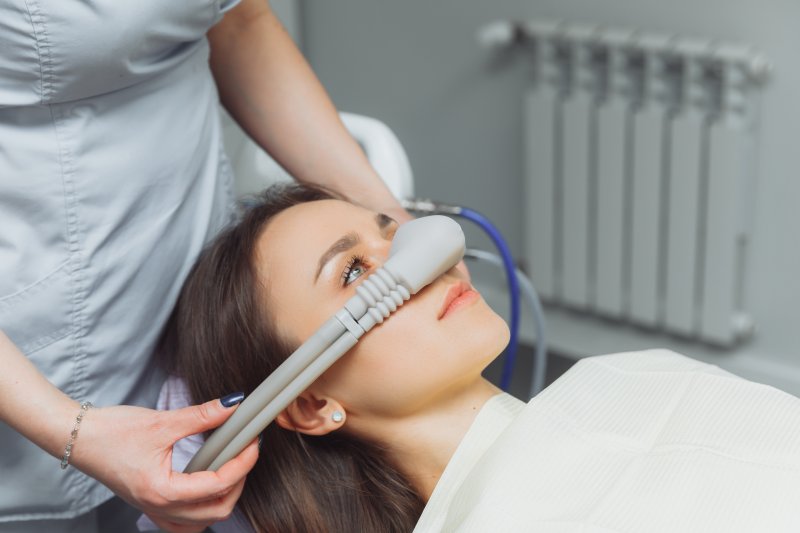
- Nitrous oxide: This treatment is minimally invasive and can induce a sense of wellbeing while making you less sensitive to discomfort. Nitrous oxide also has no known long-term side effects, which makes it incredibly safe for virtually everyone.
- Oral conscious sedation: Your dentist will prescribe you a small pill to be taken before your next appointment. This will put you in a deeper state of relaxation than nitrous oxide, but the effects will last for several hours after your appointment.
- IV sedation: This treatment puts you in an even deeper state of relaxation than oral conscious sedation, which makes it great for those who are scheduled for especially long or intensive treatment sessions.
Patients receiving oral or IV sedation will need to arrange to have a trusted individual drive them to and from the dental office and keep an eye on them after their appointment until the effects wear off.
Don’t let dental anxiety prevent you from receiving the oral health treatments you need to stay healthy. Consulting with your dentist can help you understand if dental sedation is right for you.
About the Author
Dr. Jordan earned his dental degree at Pacific University and completed his residency in Seattle. The staff at his Carrollton office takes great pride in providing excellent oral health services to children and adults. Areas of expertise include general, restorative, cosmetic, and emergency dentistry as well as sedation treatments. To learn more about how dental sedation may be able to help you, contact the office online or dial (972) 306-2273.