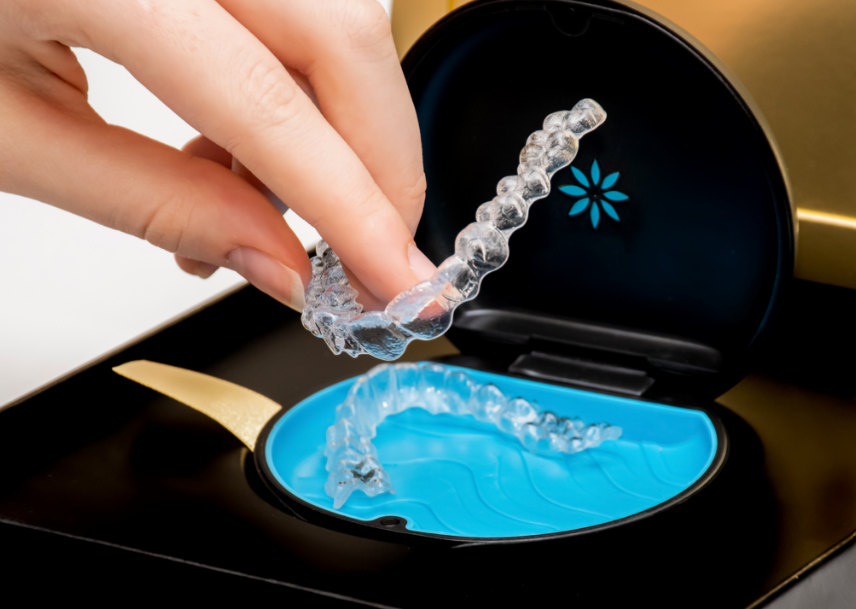
If your top teeth are crooked but your bottom teeth seem perfectly straight, you might wonder whether you can get Invisalign treatment for only the upper arch. While it is sometimes possible to treat just the top teeth, it isn’t the best option in every situation. Invisalign works by gradually guiding your teeth and bite into proper alignment, and treating only one arch can occasionally create bite problems if it isn’t carefully planned.
Understanding when single-arch Invisalign may be appropriate — and why close monitoring matters — can help you make a confident decision about your treatment.
When Invisalign on Only the Top Teeth May Be an Option
Single-arch Invisalign may be considered in mild or cosmetic cases where movement is limited to small spacing issues, minor crowding, or slight alignment concerns that do not affect the bite. In these situations, the bottom teeth are already in a stable position and do not require adjustment.
Your dentist or orthodontist will evaluate:
• How your upper and lower teeth come together when you bite
• Whether top-only movement could shift the bite out of balance
• The severity of the alignment concern
• Your overall oral health and jaw function
If your case is appropriate for single-arch treatment, your provider will design an extremely precise plan to ensure the bite remains healthy and stable as the teeth move.
Potential Risks of Treating Only the Top Teeth
Although top-only Invisalign can sound appealing, it does come with certain risks if used in the wrong situation. Your bite is a connected system — when one arch moves, the other arch is affected as well.
Possible complications may include:
• Bite misalignment or new bite problems
• Uneven wear on the teeth
• Jaw discomfort or strain
• Difficulty chewing comfortably
• Teeth shifting back over time
Even small changes in tooth position can alter how your upper and lower teeth meet. That’s why many adults who initially request upper-only Invisalign ultimately discover that treating both arches provides a safer, more predictable, and longer-lasting result.
Why Close Monitoring Is So Important
If your dentist determines that single-arch Invisalign is appropriate, careful monitoring throughout treatment becomes even more essential. Regular check-ins allow your provider to:
• Track how your bite is changing
• Ensure the lower teeth are not being negatively affected
• Make adjustments to your aligners if needed
• Prevent unwanted shifting or pressure
Sometimes, treatment plans are modified mid-process to protect the bite. This collaborative, responsive approach helps minimize risk and supports the best long-term outcome.
The Best Way to Know What’s Right for Your Smile
No two Invisalign cases are exactly the same. What works well for one patient may not be the right approach for another, even if their concerns appear similar. A thorough examination, bite analysis, and digital imaging are key to determining whether upper-only Invisalign is truly the safest and most effective choice.
Your dentist’s goal is not only to improve how your smile looks, but also to preserve comfortable function and bite stability for the future.
With the right guidance and monitoring, Invisalign can be planned in a way that protects both your health and your smile.
About the Practice
All Smiles Dental of Carollton provides comprehensive orthodontic and cosmetic dentistry services with a patient-focused approach to care. Dr. Jordan offers personalized Invisalign treatment plans designed to improve alignment while supporting long-term bite health and comfort. Through detailed evaluations, clear communication, and attentive follow-up care, we help patients achieve straighter, more confident smiles in a welcoming and supportive environment.
Call us at (972) 306-2273 or request an appointment online.